Tangshan Sanyou Industrial Co., Ltd.
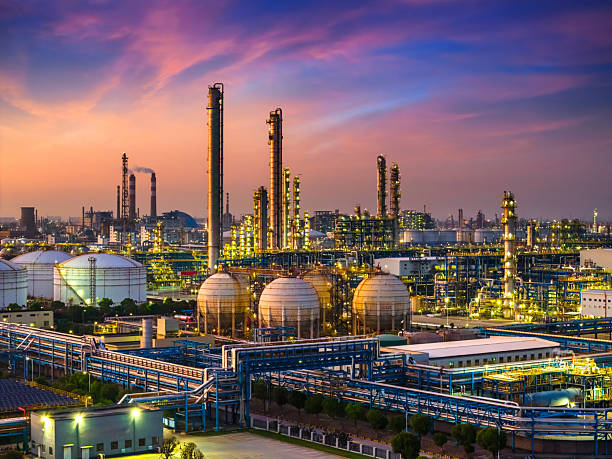
Tangshan Sanyou Industrial Co., Ltd. often appears in industry conversations as one of the most established names in chemical production across northern China. Seeing their operations from the inside, their scale is hard to ignore. Factory complexes stretch along the Bohai coast, and as a fellow chemical producer, I can tell you this brings real logistical advantages for raw materials and shipment. Salt, coal, and limestone come in via direct rail. Finished goods roll out toward ports without delay. In this trade, smooth logistical operations let you focus energy on process control, equipment maintenance, and workplace safety, instead of constantly wrestling with bottlenecks that slow production.We sometimes look at Sanyou’s soda ash works as a benchmark. Their early investment in advanced Solvay process technology marked a turning point for the region. Years ago, smaller manufacturers tried to compete mostly on price. Over time, their ability to maintain high throughput and achieve tight quality control on dense and light grades forced us, and many others, to step up our own processes. Feedstock purity, furnace temperatures, quick troubleshooting—these are things you only start truly mastering when a larger player keeps pushing the bar up. I think many in the sector have them to thank, begrudging or not, for raising process discipline across neighboring provinces.Environmental requirements have changed the landscape for everyone. Sanyou’s movement toward cleaner technologies, especially in recovering ammonia and closing process loops, showed us a shift wasn’t only possible but practical at this scale. Years ago, regional authorities started pressing for reduced chlorides in effluent, lower dust emissions, and more efficient boiler operation. Initially, it looked unattainable without major financial pain. Sanyou started treating process brines on-site, reclaiming more of their inputs, and gradually scaled up desulfurization. Those changes helped prove to local governments and to the rest of us that compliance and production volume can co-exist in China’s chemical industry, though it often demands tough capital investments and daily vigilance.The workforce at Sanyou calls for mention as well. Unlike some mid-sized peers who treat labor as a line-item cost, Sanyou seems to invest in long-term training and retention. Visiting their plant floor, one notices how many senior operators and chemical engineers stick around for decades. Mistakes in chemical plants don’t only cost money—sometimes they cost lives. An experienced crew can spot an abnormal filter cake texture or a faint leak by smell before monitoring instruments turn up the anomaly. Real safety culture comes from more than slogans or posters; in practice, it comes from consistent hands-on training and feedback cycles.Markets have changed a lot over the past five or ten years. It's no longer just about bulk volumes for glass and detergents. With growing demand for specialty grades of soda ash and fiber raw materials, manufacturers have to adjust their lineups. Sanyou’s expansion into viscose fiber production was driven partly by this trend. They moved early to build integration between their soda ash and cellulose fiber units, cutting logistics and by-product handling waste. This cross-sector synergy fosters new types of jobs and tech collaborations with universities. Looking closely, a diversified product lineup cushions against instability in any single market; years when commodity prices drop, having alternate sales channels saves operating margins and preserves wage stability.Pricing can become volatile, especially during global shocks. During major supply disruptions or sudden surges in energy prices, firms with diversified feedstock contracts—like Sanyou—manage risk better. They negotiate long-term power supply and have forward contracts on mining inputs, sheltering them from some sharp cost swings. Smaller plants facing spot price spikes sometimes scramble, cutting production or pausing shipments. Buyers prefer reliability; losing an order because of supply disruption costs more than any profit you might squeeze from a short-term price gain.Regulations and international trade relations add another layer. Sanyou has established export practices over years, especially for soda ash and basic chemicals. The documentary requirements, product registrations, and specifications checks for overseas shipments take careful coordination with customs and buyers abroad. Experience dealing with these compliance demands keeps brands visible and reduces cross-border holdups. As global customers demand greater disclosure on production traceability and sustainability, bigger players have the resources to invest in digital tracking systems and carbon footprint disclosures that are quickly becoming standard.In daily life here, most of us rarely think about the industry’s macro impact. Yet the ripple effects travel far—by providing steady jobs for locals, building upstream and downstream clusters, and catalyzing infrastructure from roads to utilities. Sanyou’s local partnerships, not just with freight operators but also with equipment engineers and technical schools, create a web of economic resilience. It’s something newer entrants sometimes miss as they focus only on capital outlays, missing the longer-term value that comes from embedding a company into the regional economic fabric.No company operates without challenges. Emerging technologies, global regulatory shifts, unpredictable energy costs, and a tight labor pool mean nobody can rest easy. But the kind of strategic planning, technology investment, and workplace culture seen at Tangshan Sanyou pushes everyone in this sector to improve. Even on tough days, watching how they tackle upgrades and shift product lines gives the rest of us a benchmark to measure our own progress—proof that steady commitment to process, people, and market adaptation gives real staying power in a business as demanding as ours.