News

News

Latest news and updates from our company

Tangshan Sanyou Chemical Industries Co., Ltd. Soda Ash Branch
2026-04-13

Tangshan Sanyou Chemical Industries Co., Ltd. Soda Ash Branch

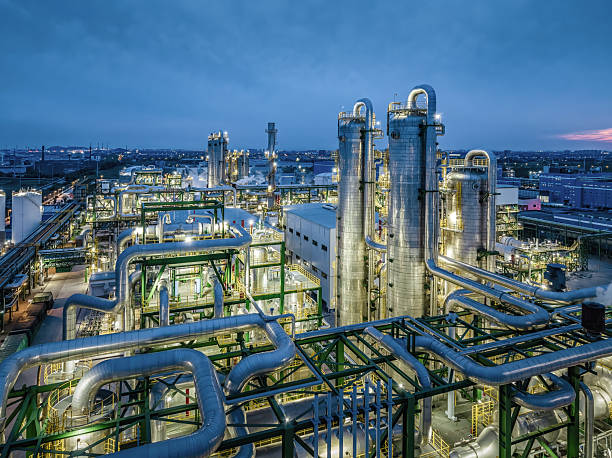
Here, at Tangshan Sanyou Chemical Industries Co., Ltd. Soda Ash Branch, every shift exposes how deeply manufacturing ties into daily life. We see loads of soda ash moving out—not just tons on paper, the real heap of it, destined for places like glass plants, detergent factories, and metallurgy shops as far as anyone can drive. This is not abstract supply and demand. When our lines run hot, glass makers keep their furnaces full; when outages hit or quality slips, some manager out there feels it as a bad day, not a spreadsheet number. Decades on this same production site prove a simple thing: steady output, competitive cost, and clear product grades let clients plan ahead, price their services, and make good on promises to their customers. Supply chain overhauls and market shakeups might catch headlines, but the work for us often boils down to predictability and problem solving, not grand strategy.Years back, there was less talk about emissions or water use, mostly worries about local permits and inspections. Today, reporting transparency grew sharply. Large buyers now want to see real emissions data, not slogans, especially from a plant of our scale. Instead of just compliance, our teams break down where the caustic dust escapes, what cooling water gets reused, and how to reclaim more soda from effluent streams. Chemical manufacturing always carries a footprint. The push to decrease use of high-emission fuels nudges us toward better process controls and equipment renewal. None of this feels glamorous. It means more staff hours measuring stack flows, rebuilds during shutdown, sometimes a headache over sourcing lower-carbon raw inputs. Progress happens, and it shows up in cleaner outflows, sometimes in saved cash from less waste burning away profit, or in audits passing without the rush of last-minute fixes. We do not have the luxury of throwing away materials or ignoring maintenance, as the price swings and market cycles are too real. Every new environmental rule or emissions limit feels like one more chance to design smart and gain an edge, as long as management supports field suggestions with real investment and not just slogans at safety meetings.Veterans on our team remember rougher days—leaks, downtime dragging on, output numbers nobody could trust. Soda ash manufacturing rewards adaptability, but only with a foundation in sound operations. Apprentices come in less familiar with field repairs but quicker with digital tools. The plant relies heavily on a core group of technicians who know when to tweak reactor mixes, spot trouble in kiln sound or color, and adjust for feedstock variation. Management invests in skills training, but real expertise grows from facing issues at full speed. Newer team members bring a better handle on process control software, yet reality means you need both the computers and sharp eyes. Every hand here knows you cannot fudge product consistency. If ash dampens or carries too much iron, downstream users call within hours. This accountability builds loyalty to the process and respect between shifts—they know mistakes show quickly and repairing trust with users takes much longer than avoiding trouble in the first place.Trade wars, currency swings, and freight bottlenecks affect daily routines. Unlike smaller operations, we do not shut down instantly when shipments stall or ports back up. Instead, the focus doubles on storage, shifting production between grades, and hunting for alternative routes to customers. Knowing long-term clients appreciate continuity, we scramble harder in tough years to adjust schedules, tighten process windows, and prioritize core relationships. Selling soda ash at scale means riding through price crashes and spikes—sometimes on tight margins, sometimes surviving just because we plan bulk purchases or hedge energy. Local competitors keep us sharp, but it’s often the export market fluctuations—shaped by policy far above our paygrade—that really keep everyone guessing. Hard lessons about inventory buildup or missed contracts mean the organization puts heavy effort into forecasting and developing new uses for byproducts to keep lines busy, even when classic demand softens.Suppliers and customers do not stay anonymous. Our best vendors give early warnings for logistics trouble or raw material shortage, and major buyers expect more than price quotes. Technical support sometimes means explaining, in person, how to adjust their process for a new ash grade, or sending samples and data logs rather than brochures. Many times, users return with product feedback, and it takes humility on our part to admit when an adjustment is necessary. Years of back-and-forth build real respect, creating a network of solutions instead of a chain of demands and delays. This wider trust makes innovation and problem-solving routine—instead of fussing over liability, teams face challenges openly, from seasonal changes in brine source to unexpected downtime at a client site. Out of these hands-on partnerships, solutions emerge that avoid both bottlenecks and finger-pointing, improving reliability up and down the supply chain.Each year brings new uncertainties. Regulations get tougher, energy costs creep, digitalization comes with both promise and risk of disruption. Looking forward, our branch bets on a mix of investment in plant updates, staff learning, and tougher process discipline. The future does not reward the quickest copier or cheapest offer but the steady hand that combines experience with openness to new technology. Satisfying local authorities and global buyers at once takes honest effort and follow-through. The best hope for continued success comes not from PR statements but from showing up shift after shift, working the problem, and sharing knowledge between old hands and new recruits, refining output based on what customers actually face in their own operations. Good soda ash out of Tangshan Sanyou reflects disciplined teamwork, focus on real improvement, and keeping the sense of responsibility for each customer’s next batch—no matter which part of the world they call home.
Read More
Tangshan Sanyou Group Thermal Power Branch
2026-04-13

Tangshan Sanyou Group Thermal Power Branch

Working in chemical manufacturing, I pay close attention to industrial plants like Tangshan Sanyou Group Thermal Power Branch. Real chemical production doesn’t separate itself from its energy sources; power generation choices shape daily routines. In our factories, we know power isn’t just a bill to pay — it drives every process. Secure supply means stable reactions, reliable output, regular paychecks, and workable maintenance schedules. A power plant next to key chemical production centers makes the difference between what works on paper and what delivers barrels and tons reliably every week.Tangshan Sanyou built their industrial power capacity alongside their chemical assets for a reason. Chemical reactions often need strict temperature and pressure control. On-site power makes it easier to keep conditions steady. In practice, if voltage runs high or low, it affects our control systems, steam balance, and even the safety of heat-sensitive reactions. Reliable energy links directly to product quality and process safety. When a thermal power branch operates next door, it shrinks that chain of risks. Staff can coordinate real time. Adjustments, troubleshooting, and communication run faster than any offsite utility call center can manage.Nobody working at scale in chemicals can dodge the reality of emissions. As operators, we witness the consequences up close: boiler efficiency, flue gas volumes, slag, ash, and sulfur recovery are not just compliance items, but practical headaches and opportunities. Tangshan Sanyou has to keep an eye on emissions every day. In our own operations, we’ve invested in scrubbers, switched coal sources, adjusted combustion chemistry, and spent many long nights troubleshooting why a scrubber underperforms. Mandates on emissions force changes — sometimes costly, but cutting corners leads to more lost production than fines alone.Waste heat recovery adds another layer. Factories hungry for steam, such as viscose, soda ash, or salt chemical processes, take in waste heat from the plant so less goes up the stacks. Every gigajoule recovered translates into lower energy bills and fewer tons of coal to burn. We’ve seen the difference on factory dashboards: more process steam from waste heat lets us run more consistent production cycles and, over time, lower emissions. Installing these systems isn’t simple or cheap, but when done right, efficiency keeps the plant profitable and reduces the bite of pollution-control measures.Switching fuels always brings pain points. In the chemical sector, alternative boilers and hybrid systems prompt debates. Investment is steep, retrofits stretch shutdowns, and every new fuel changes both capital costs and daily routines in the plant. The issue hits home for Tangshan Sanyou as pressure builds to move away from high-emission fuels. We’ve experimented with biomass blending, natural gas peaking, and even trial runs with more exotic hydrogen or ammonia co-firing. These approaches require deep technical knowledge, careful testing, and willingness to accept lower reliability during transitions.What most people miss is the invisible daily adaptation. For us, switching fuels affects not just emissions, but also chemical yields, maintenance intervals, and sometimes even the purity of intermediates. Fluctuating energy costs show up in end-of-month profitability reports and, long term, force us to weigh where to invest next: another scrubber upgrade or a new turbine, a more efficient condenser or tighter sealing on legacy autoclaves. Tangshan Sanyou will face the same reality: consistent investment, gradual adaptation, and inevitable tradeoffs.Power generation, especially thermal, shapes the chemistry workforce’s entire routine. We schedule maintenance turnarounds with an eye on when power house staff can coordinate major shutdowns. In storm seasons, we double-check enzyme storage, shop for spare actuators, and check up on older acid storage tanks strapped in place because any unplanned stop can cause batch failures, waste, or worse. Power engineers and chemical operators learn each other’s workflows; when the turbine is down, or steam pressure is unsteady, both labs and production teams must pause or change operations on the fly.Culture inside a vertically integrated chemical facility becomes shaped by the rhythm of the boiler house, not just market orders from headquarters. Young engineers learn management priorities from daily crisis calls; skilled operators pick up troubleshooting as they adapt process recipes to the shifty realities of industrial power supply. Companies like Tangshan Sanyou offer both stability and pressure in the working week: fewer blackouts, but always the expectation to keep yields high and downtime low.From experience, piecemeal upgrades rarely pay the way expected. Systemic, long-haul projects — like integrating waste heat, closing water loops, or centralizing emissions control — bring the biggest gains. Tangshan Sanyou might consider robust fuel-switching plans, partnerships with grid storage providers, or even exploring ways to tie chemical and power unit data together for better predictive maintenance. We’ve seen benefits from real-time sensors and better communications: plant control rooms no longer work in isolation, and data from across energy and chemical units brings in more layers of efficiency.Practical realities also mean fighting for local policy and financing. As manufacturers, we engage with regional governments, not just to meet compliance, but to advocate for more support when pilot projects turn up cost overruns or when old grid infrastructure limits site expansion. Success in chemical manufacturing doesn’t just ride on process chemistry skills, but on power supply, regulatory balancing, and factory-level problem solving across multiple technical teams.An on-site power branch like Tangshan Sanyou’s builds more than molecules or megawatts; it’s a bet that control, flexibility, and technical depth can solve problems faster than outsourcing core risks. From our vantage point, the days of single-fuel plants will fade, but the core lesson of tight integration remains. Low-carbon trends, emission controls, and unpredictable energy prices push every chemical plant to rethink its energy mix and production layouts. The really resilient facilities, like those with their own thermal branch, adapt faster, push through setbacks, and survive the industry’s swings.In practice, durability comes from genuine teamwork on the ground, not from one-off upgrades or slogans. As chemical manufacturers, we watch facilities like Tangshan Sanyou not just for their output, but for how well they bridge the gap between energy and chemistry, between today’s regulatory needs and tomorrow’s technical challenges.

Read More